






The Mold Trial Process Explained: From First Shot to Approved Samples
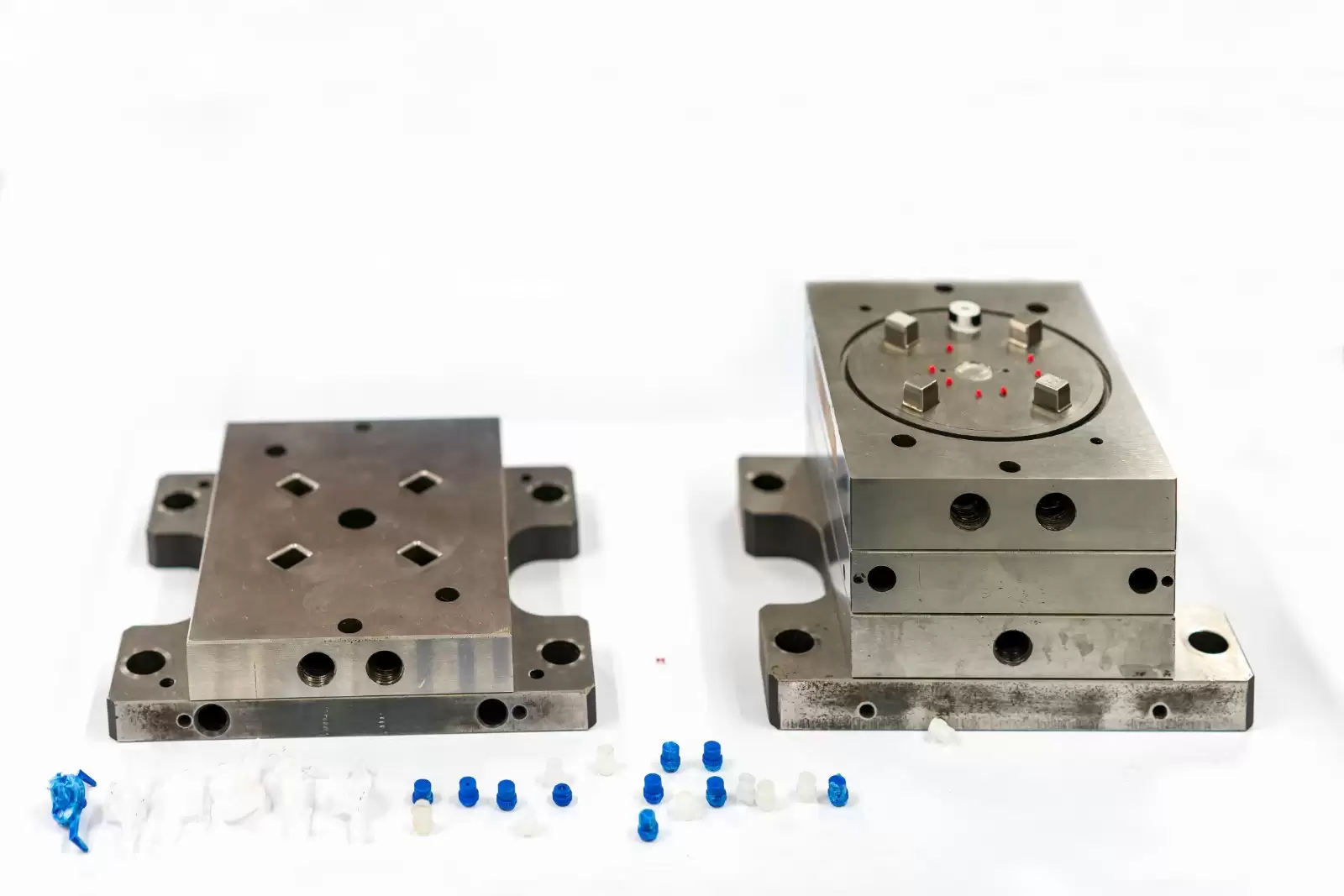
The most nervous moment of any tooling project is the first shot. After weeks of design and machining, the mold closes, plastic flows, and everyone learns whether the engineering was right. This is the mold trial - and how a supplier manages it tells you almost everything about their professionalism.
This article walks through the mold trial process step by step, so buyers know what to expect and what to demand.
What a Mold Trial Is For
A mold trial (tryout) verifies that the tool produces parts to specification under production-like conditions. It confirms filling behavior, dimensions, appearance, and cycle time - and reveals anything that needs correction while changes are still manageable.
The Trial Sequence: T1, T2, and Beyond
- T1 - first trial: confirms the mold fills and ejects correctly. Minor defects like flow marks or slight short shots are normal at this stage and guide fine-tuning.
- T2 - correction trial: after tool adjustments, verifies that corrections worked and dimensions move toward nominal.
- Final trial: establishes stable parameters, produces samples for approval, and locks the process window for production.
Well-engineered molds typically reach approval in two to three trials. Endless trial loops are a warning sign of weak mold design or poor communication.
What a Professional Trial Report Contains
After each trial, buyers should receive a structured report, not just photos in a chat message. A complete mold trial report includes:
- molding parameters: temperatures, pressures, speeds, cycle time
- dimensional measurement results against the drawing
- defect observations with photos and causes
- correction plan with responsibilities and timing
- sample identification for traceability
INTERTECH provides standardized trial reports and sample measurement data as part of every tooling project, so approval decisions are based on evidence.
Evaluating Samples as a Buyer
When trial samples arrive, check them systematically: verify critical dimensions first, test assembly with mating parts, inspect appearance surfaces under proper light, and if possible run functional or environmental tests. Report findings by referencing the drawing - clear feedback speeds up the next trial round.
Why Trials Go Better with an Integrated Supplier
When the mold shop and molding floor are the same company, trial findings translate directly into tool corrections without finger-pointing. The molding technicians who ran T1 talk directly to the toolmakers who will polish, weld, or re-machine - often the same week. This is how INTERTECH keeps trial loops short and predictable in its Taiwan facility.
Conclusion
The mold trial is where engineering promises become measurable parts. Insist on documented trials, structured reports, and a supplier who treats T1 as the beginning of a disciplined process, not a hopeful experiment.
Want to see how a well-run trial process works? Contact INTERTECH to discuss your next tooling project.