






Mold Export Packing and Delivery: Getting Your Tooling Home Safely
A precision mold that survived months of engineering can be ruined in two weeks at sea. Salt air, condensation, and rough handling are merciless to unprotected tool steel. That is why export packing is not an afterthought - it is the final quality step of every tooling project shipped from Taiwan to customers worldwide.
Here is how professional mold export packing and delivery works, and what buyers should expect when their tooling leaves the factory.
Pre-Shipment Preparation
Before a mold is packed, it goes through a documented preparation sequence:
- final trial samples approved and packed with the tool
- complete cleaning and drying of all surfaces and channels
- rust preventive coating on cavities, cores, and parting surfaces
- cooling channels blown dry and sealed with plugs
- mold closed, safety strap installed, locating features protected
Skipping any of these steps invites corrosion damage that shows up only when the buyer opens the crate.
Export Crating Done Right
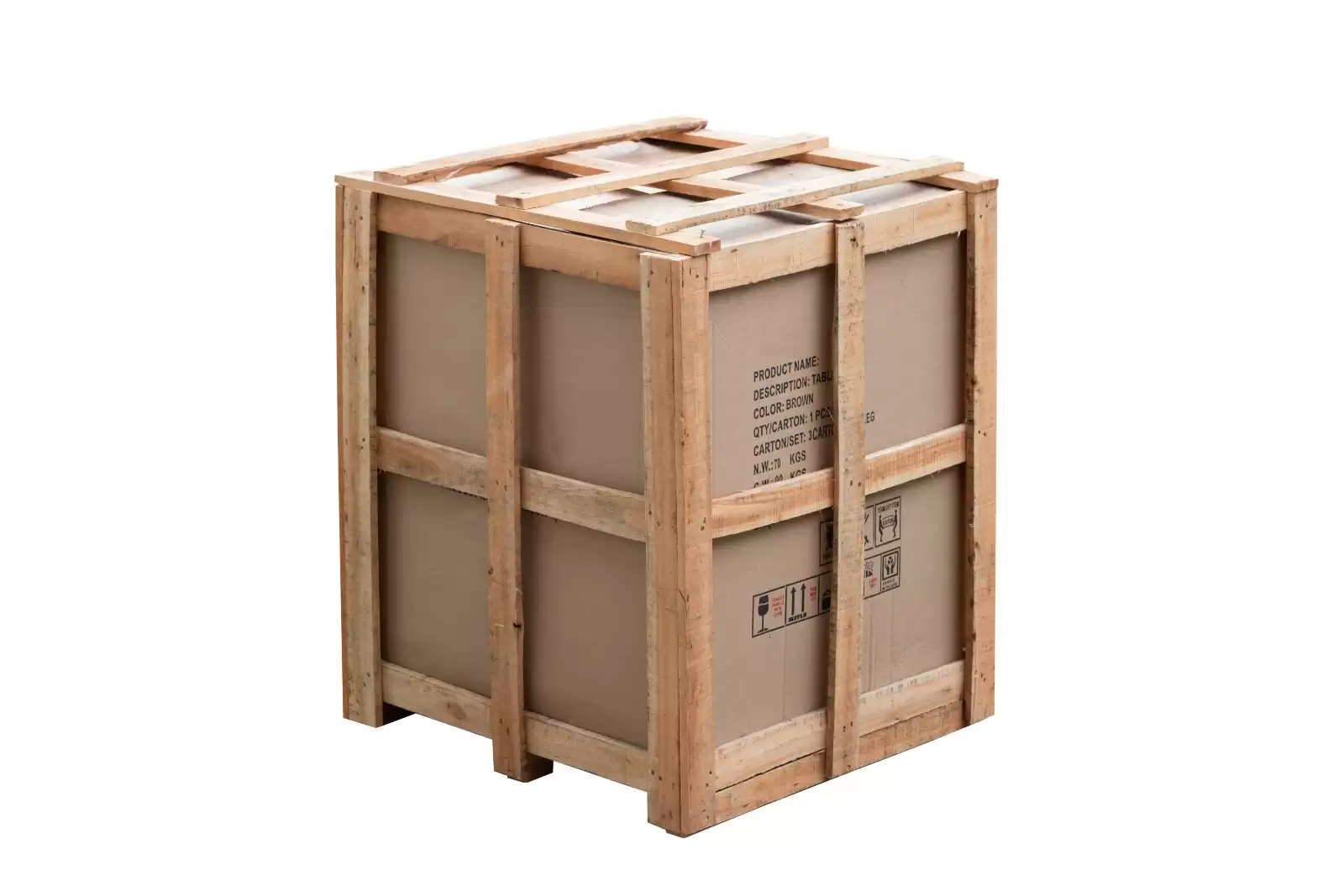
Molds ship in fumigated or heat-treated wooden crates that meet ISPM-15 international standards, with the tool bolted to the crate base so it cannot shift, moisture barrier wrapping with desiccant inside, and lifting points and weight clearly marked. For heavy tools, the crate design considers how the buyer will unload: forklift pockets, eyebolt access, and orientation markings prevent accidents at destination.
Documentation That Travels with the Tool
A professionally delivered mold arrives with its paperwork complete:
- packing list and commercial invoice for customs
- mold specification sheet: steel grades, cavity count, hot runner details
- final trial report and approved sample references
- maintenance recommendations and spare parts list
- 2D/3D tooling data as agreed in the contract
This file is what lets the receiving molder install the tool and start production without guesswork.
Installation and Startup Support
Delivery does not end at the port. Good suppliers support the receiving factory with setup parameters from the final trial, video or call support during first installation, and quick response if adjustments are needed. Because INTERTECH runs its own molding production, the startup parameters shipped with the tool are real production settings - not theoretical values.
Spare Parts: Ship Them with the Mold
The cheapest time to make spare ejector pins, inserts, or seals is while the mold is being built. Experienced buyers order a small spares package with the tool, saving weeks of downtime later. Discuss the spares list before shipment - it is a small cost against production interruption risk.
Conclusion
Export packing is where a mold maker shows respect for the months of work inside the crate. Rust protection, solid crating, complete documentation, and startup support turn an overseas tooling purchase into a smooth production launch.
Planning to have tooling built in Taiwan and shipped to your plant? Contact INTERTECH to discuss specifications, delivery terms, and support for your project.