






Medical-Grade Silicone and Plastic Component Manufacturing for Healthcare Applications

Medical devices leave no room for compromise. A silicone mask that touches a patient, a plastic housing around a diagnostic sensor, a mouthpiece used daily - every component must be dimensionally consistent, made from compliant materials, and traceable from raw material to finished part.
This article outlines what buyers should expect from a manufacturing partner for medical-grade silicone and plastic components.
Typical Healthcare Components
INTERTECH supports healthcare and personal-care projects across a range of molded components, such as:
- oxygen masks and respiratory components
- mouthpieces, mouthguards, and dental products
- baby pacifiers, nipples, and feeding accessories
- seals, valves, and fluid-path silicone parts
- device housings and structural plastic parts
These parts are produced with liquid silicone rubber molding, compression silicone molding, or plastic injection molding depending on geometry and volume.
Material Compliance Comes First
Medical projects start with the material. Medical-grade LSR and engineering plastics must meet biocompatibility requirements, and buyers often need supporting documentation for regulatory submissions. A qualified supplier helps by:
- recommending certified medical-grade or food-grade materials
- providing material datasheets and certificates
- keeping batch-level traceability of raw materials
- locking process parameters after validation
Tooling Precision for Medical Parts
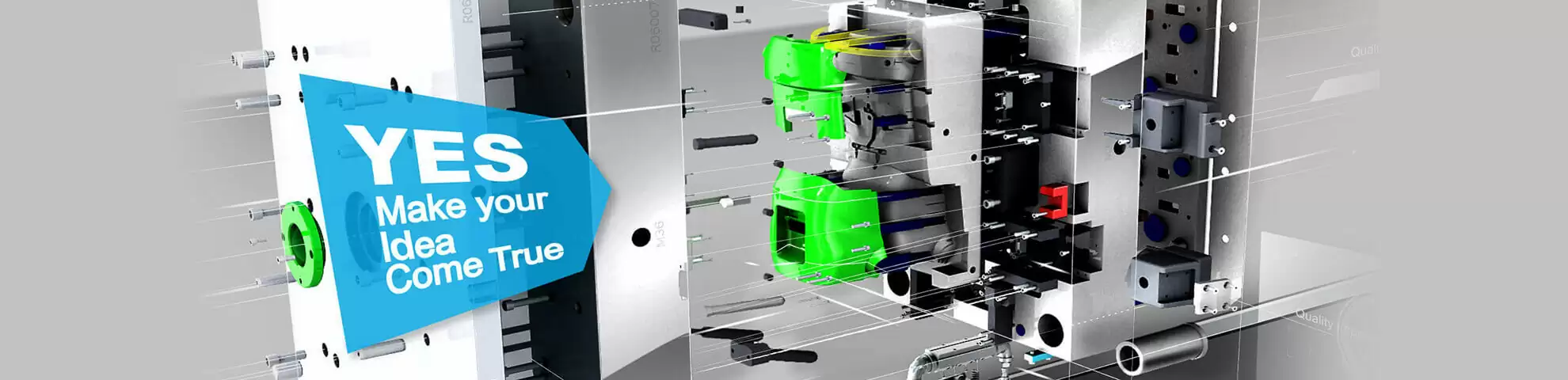
Medical components often combine soft materials with tight tolerances. That puts extreme demands on the mold: flash-free shut-offs for LSR, polished fluid-contact surfaces, and stable dimensions across long production runs. Building such tools in-house lets INTERTECH verify steel, machining, and fit at every step instead of relying on outside die shops.
Clean and Controlled Production
Beyond the mold, medical molding requires disciplined production: controlled molding environments, dedicated material handling to prevent contamination, documented process parameters, and inspection records for every lot. Consistency and documentation are as important as the parts themselves.
From Prototype to Validated Mass Production
Medical products typically pass through samples, pilot builds, and validation before scale-up. A supplier who supports small pilot runs and keeps engineering communication open during validation saves months of iteration. Because INTERTECH builds the tooling and runs production internally, design updates during validation can be implemented quickly and correctly.
One Partner for Silicone, Plastic, and Metal
Many medical devices combine a silicone interface, a plastic body, and stamped metal elements. Sourcing them from one integrated Taiwan manufacturer keeps tolerances matched, simplifies quality audits, and reduces supplier management overhead.
Conclusion
Medical-grade manufacturing is a system: compliant materials, precision tooling, controlled molding, and honest documentation. Choose a partner who treats all four as inseparable.
If you are developing a healthcare product with silicone or plastic components, please contact INTERTECH to discuss materials, tooling, and production planning.