






Injection Mold Maintenance: How Proper Care Extends Mold Life and Protects Quality
A production mold is a precision machine with thousands of mating surfaces, moving cores, and cooling channels. Treated well, it produces millions of good parts. Neglected, it starts flashing, sticking, and drifting out of tolerance long before its engineered life is reached.
For buyers who own tooling at a supplier, understanding mold maintenance is understanding how your asset is being protected. Here is what professional mold care looks like.
Why Maintenance Determines Real Mold Life
Mold life quoted in shots - 500,000, one million, five million - assumes proper maintenance. Skipped cleaning and lubrication cycles show up as:
- flash from worn parting lines
- scratched or corroded cavity surfaces
- sticking slides and broken ejector pins
- cooling channels blocked by scale deposits
- gradual dimensional drift of molded parts
Most premature mold death is not wear - it is neglect.
Levels of Preventive Maintenance
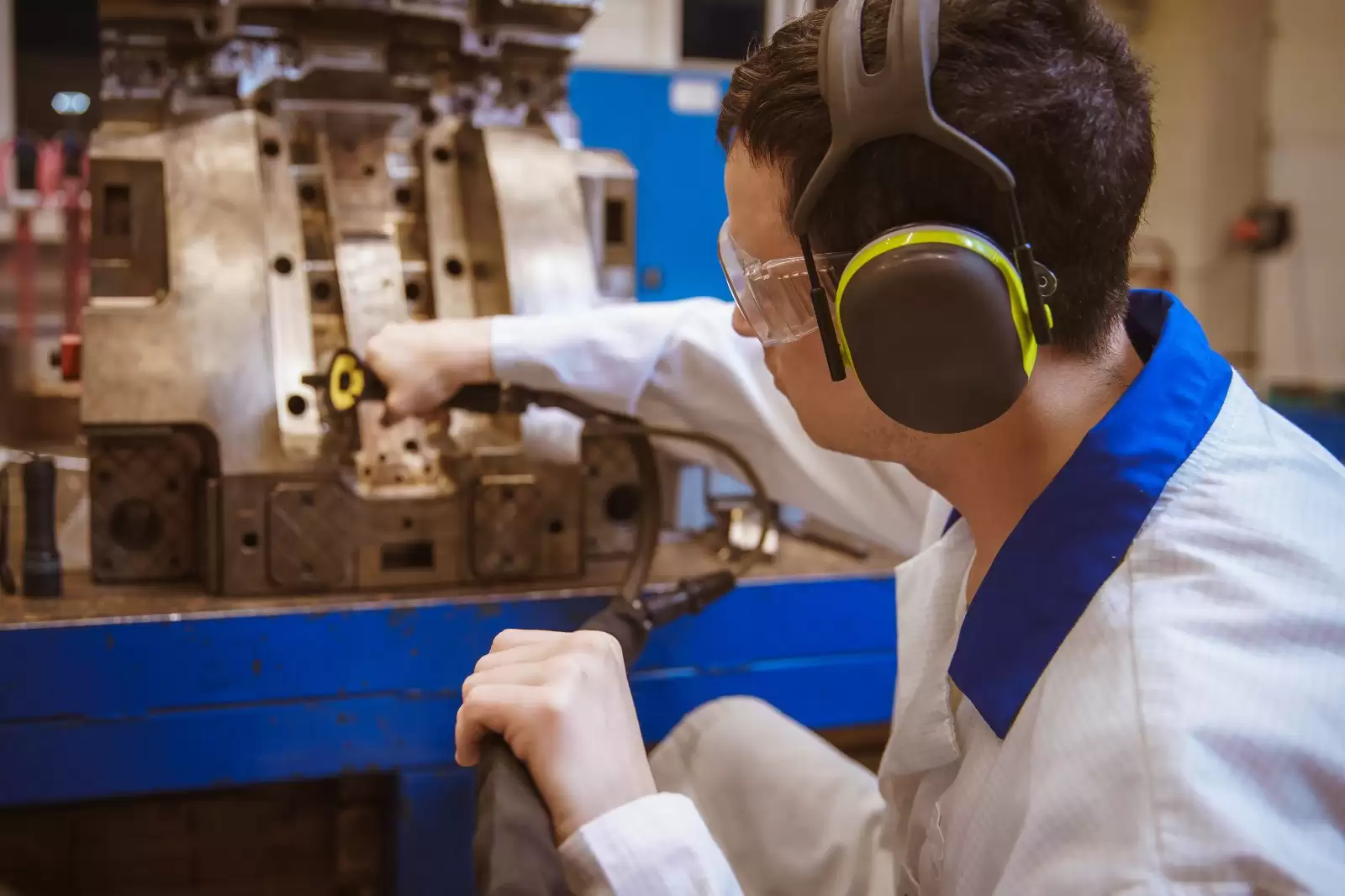
- Every production run: clean molding surfaces, check vents, lubricate moving components, inspect for early damage before storage.
- Scheduled intervals (by shot count): partial disassembly, deep cleaning of cavities and slides, ejector system inspection, cooling circuit flushing, seal replacement.
- Annual or major service: full teardown, dimensional verification of critical inserts, re-polishing where needed, corrosion protection renewal.
A disciplined shop logs every maintenance action by shot count, building a documented history for each tool.
Modern Cleaning Methods
Beyond manual polishing, professional shops use methods like dry ice blasting - cleaning mold surfaces without abrasion or chemical residue - and ultrasonic cleaning for inserts and small components. These techniques remove outgassing deposits and residues while preserving polished surfaces and textures.
Storage: The Forgotten Half of Mold Care
Molds waiting between runs need protection too: moisture-controlled storage, rust preventive coating on molding surfaces, closed and secured with a locating strap, and clearly labeled. A tool that sits unprotected through one humid season can lose a mirror polish permanently.
What Buyers Should Ask Their Supplier
- Is there a preventive maintenance schedule tied to shot counts?
- Are maintenance actions logged per mold?
- How are molds cleaned, protected, and stored between runs?
- Will I be notified before major refurbishment is needed?
Suppliers who answer these questions with documents, not just assurances, are the ones protecting your tooling investment.
Maintenance at INTERTECH
INTERTECH maintains customer molds under documented schedules in its Taiwan facility - cleaning, inspection, and refurbishment are handled by the same toolroom that built the mold. Owners receive maintenance records and early warnings when tools approach service milestones, keeping production quality stable year after year.
Conclusion
Mold maintenance is cheap; mold repair is expensive; mold replacement is painful. Choose a molding partner who treats your tooling as the production asset it is.
Questions about the condition or care of your existing tooling? Contact INTERTECH for a practical maintenance and refurbishment assessment.