






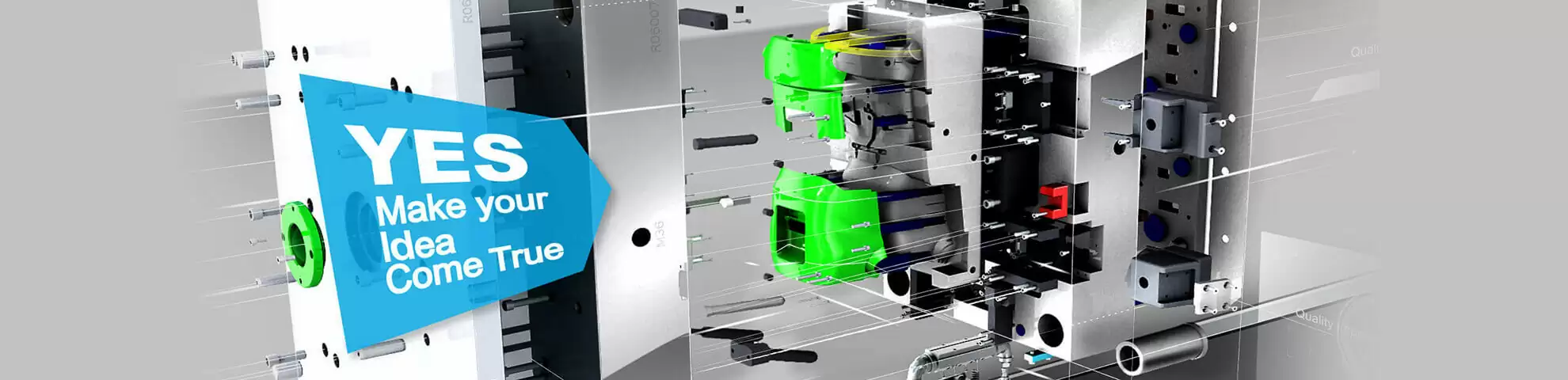
Engineering Plastics Injection Molding: Working with PPS, POM, Nylon and Glass-Filled Materials
Commodity plastics carry products; engineering plastics carry loads, temperatures, and chemicals. When a part must survive under the hood, inside an industrial machine, or in continuous contact with aggressive media, material choice and molding discipline decide whether it lasts years or fails in weeks.
This article shares practical knowledge about engineering plastics injection molding and what it takes to mold high-performance materials successfully.
Common Engineering Materials and Where They Fit
- PPS - outstanding chemical and heat resistance for pump, automotive, and electronic parts
- POM (acetal) - low friction and high stiffness for gears, bushings, and precision mechanisms
- PA6/PA66 (nylon) - tough structural parts, often glass-filled for strength
- PC and PC blends - impact resistance and dimensional stability for housings
- PBT, PEEK, and specialty grades - electrical components and extreme-duty applications
Each material brings its own shrinkage behavior, drying requirements, and processing window - and the mold must be designed for that specific behavior.
Why Engineering Plastics Are Harder to Mold
High-performance resins are less forgiving than commodity plastics:
- glass fibers abrade standard mold steel
- high melt temperatures demand robust hot runner and steel choices
- anisotropic shrinkage from fiber orientation causes warpage if gates are misplaced
- moisture-sensitive resins need strict drying control
- tight tolerance parts require thermally stable tooling
An inexperienced molder discovers these issues in production. An experienced one prevents them in mold design.
Tooling for Abrasive and High-Temperature Resins
Molds for glass-filled and high-temperature materials use hardened, wear-resistant steels, protected gate areas, and cooling layouts designed around the material behavior. INTERTECH selects mold steel and surface treatments based on the resin specification, so the tool maintains dimensions over its full service life instead of wearing out of tolerance.
Process Control Makes the Difference
Stable engineering-plastic production depends on controlled drying, verified melt and mold temperatures, and documented processing parameters locked after sample approval. Combined with in-process dimensional checks, this discipline keeps every shipment consistent with the approved samples.
Material Selection Support for Buyers
Many buyers know the performance requirement but not the ideal resin. As both mold maker and molder, INTERTECH helps compare candidate materials on performance, moldability, and cost, then validates the choice with sampling before committing to production tooling.
Conclusion
Engineering plastics reward preparation. With material-matched tooling, disciplined process control, and honest engineering advice, demanding parts become dependable parts.
Have a structural, high-temperature, or chemical-resistant part to develop? Contact INTERTECH to discuss material options and tooling for your application.