






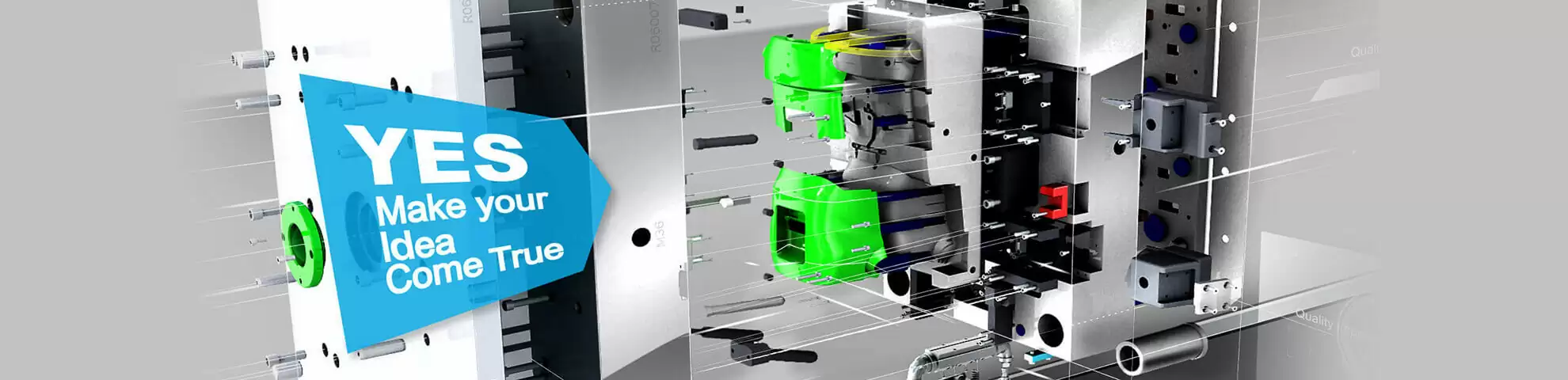
Custom Plastic Parts Manufacturing for Precision Industrial and Electronic Applications
Custom Plastic Parts Manufacturing for Precision Industrial and Electronic Applications
Custom Plastic Parts Manufacturing for Precision Industrial and Electronic Applications
As industries continue to demand lighter, more precise, and cost-efficient components, custom plastic parts have become essential across sectors such as electronics, datacom, automotive, and industrial equipment. From connector housings to protective caps and internal structural components, plastic parts are now engineered to meet highly specific functional and performance requirements.
For buyers, sourcing custom plastic parts is not simply about finding a supplier—it is about selecting a manufacturing partner capable of delivering precision, scalability, and consistency.
Why Custom Plastic Parts Are Critical in Modern Manufacturing
Compared to standard off-the-shelf components, custom plastic parts offer several key advantages:
- optimized geometry for specific applications
- weight reduction compared to metal alternatives
- improved cost efficiency in high-volume production
- flexibility in material selection
- integration with other components (metal, silicone, etc.)
In high-performance applications such as optical connectors, electronic enclosures, and industrial assemblies, even small design differences can significantly impact product reliability and assembly efficiency.
This is why many OEMs prefer working with a supplier that provides full custom mold development rather than relying on generic components.
Common Types of Custom Plastic Parts
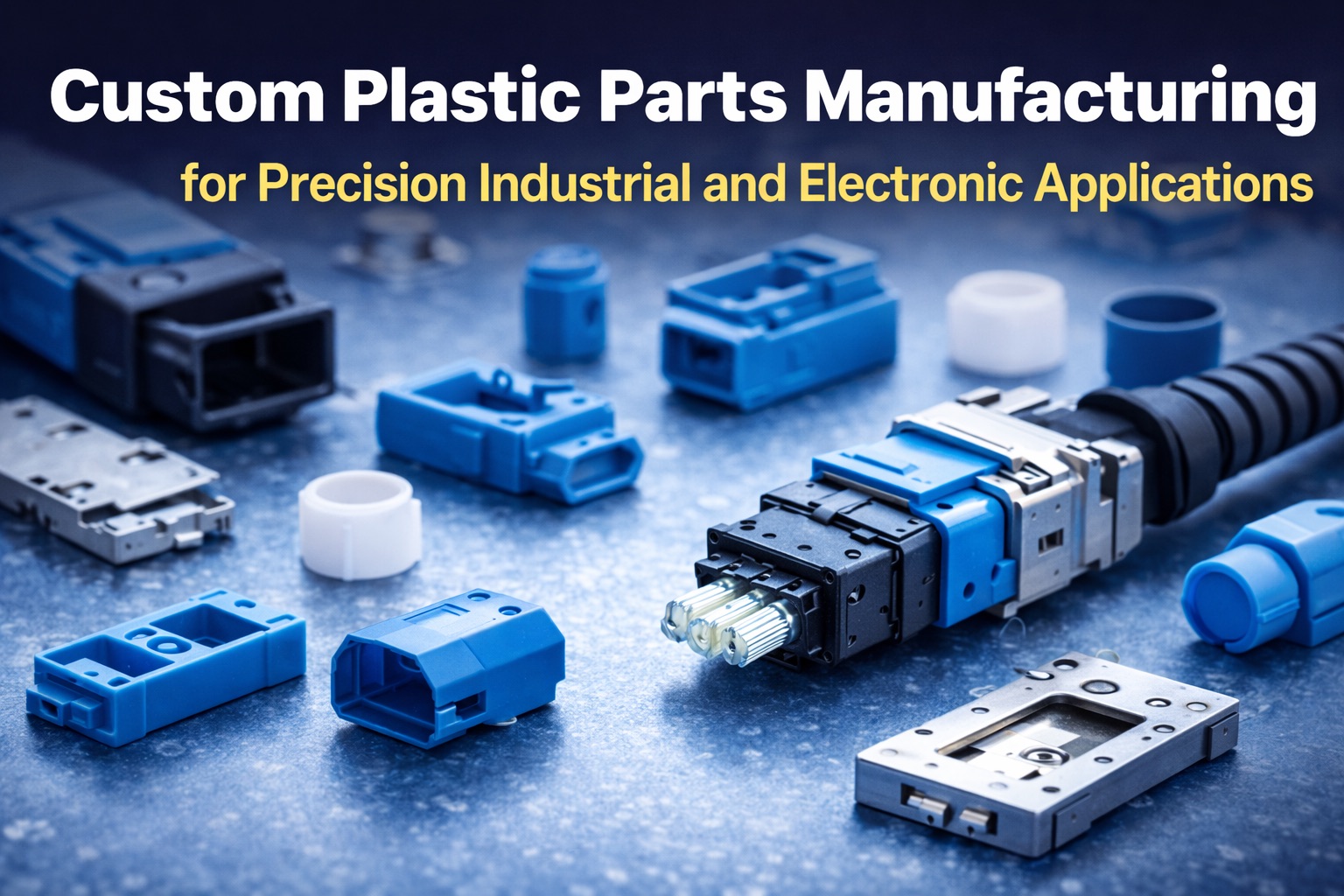
Custom plastic parts are widely used in a variety of applications. Typical examples include:
- connector housings
- dust caps and protective covers
- transport caps
- internal support structures
- cable management components
- insulation parts for electronic assemblies
These components often require high dimensional accuracy and consistent quality, especially when used in compact or high-speed electronic systems.
To achieve this level of precision, manufacturers rely on advanced injection mold technology combined with stable plastic molding processes.
Injection Molding: The Core Process Behind Custom Plastic Parts
Injection molding is the most widely used method for producing custom plastic components at scale. It allows manufacturers to create complex geometries with tight tolerances and excellent repeatability.
A successful injection molding project depends on several key factors:
- proper mold design
- material selection
- process optimization
- quality control
With INTERTECH’s custom mold and design service and mold service, buyers can ensure that parts are optimized for manufacturability before production begins.
For mass production, the company’s injection molding capability and molding service provide consistent output and scalable production capacity.
Material Selection for Custom Plastic Parts
Choosing the right material is essential for achieving the desired performance. Common plastic materials include:
- ABS (impact resistance, cost-effective)
- PC (high strength, transparency)
- Nylon (durability, wear resistance)
- PBT (electrical insulation, dimensional stability)
- POM (low friction, precision mechanical parts)
Each material offers different properties, and the optimal choice depends on the application environment, mechanical requirements, and regulatory considerations.
An experienced manufacturer can provide guidance on material selection and ensure compatibility with molding processes.
Integration with Silicone and Metal Components
In many applications, custom plastic parts must work together with other materials. For example:
- silicone parts for sealing and protection
- metal parts for strength and EMI shielding
This is why it is beneficial to work with a supplier that also offers silicone mold solutions and metal stamping services.
By integrating multiple manufacturing processes, buyers can reduce sourcing complexity and improve compatibility between components.
Key Considerations When Sourcing Custom Plastic Parts
When selecting a manufacturing partner, buyers should evaluate:
- tooling capability and experience
- ability to provide DFM (Design for Manufacturability) feedback
- production scalability
- quality control systems
- experience in similar industries
Working with a supplier that offers both tooling and production—such as custom mold development and molding services—can significantly improve project efficiency and reduce risks.
Benefits of One-Stop Manufacturing
Managing separate suppliers for plastic, silicone, and metal parts can increase lead time and create coordination challenges.
A one-stop manufacturing partner like INTERTECH can support:
- mold design and development
- injection molding production
- silicone component manufacturing
- metal stamping for functional parts
This integrated approach helps streamline product development and ensures better consistency across all components.
Conclusion
Custom plastic parts manufacturing plays a crucial role in modern industrial and electronic applications. From connector components to protective covers and structural parts, precision and consistency are essential for achieving high product performance.
By working with an experienced supplier like INTERTECH—offering custom mold design, injection molding, silicone solutions, and metal stamping services—buyers can ensure reliable, scalable, and cost-effective production.
If you are sourcing custom plastic parts for your next project, please contact INTERTECH to discuss your requirements.
